Executive Summary
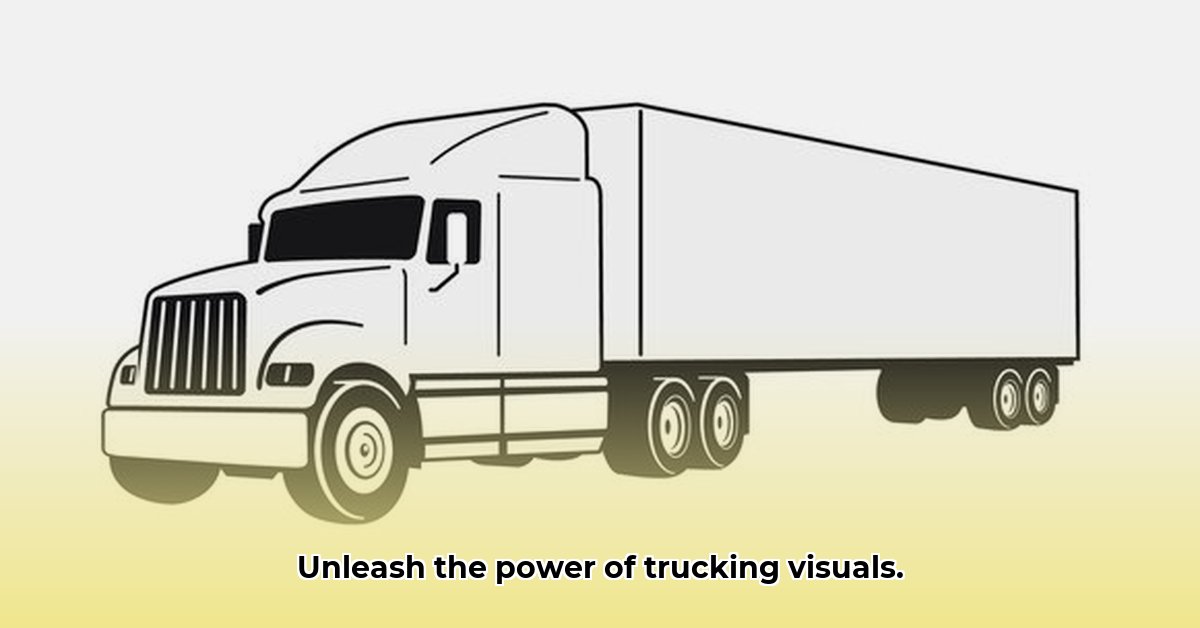
This report analyzes the availability and quality of clipart tractor-trailer images within the logistics and transportation industry. Our analysis reveals a significant gap between the demand for high-quality, niche-specific imagery and the current supply. While a large number of images exist on platforms like iStockphoto and Vecteezy, many suffer from low resolution, generic composition, and poor keywording, hindering effective searchability. This report identifies actionable recommendations for stock image providers, truck manufacturers, marketing agencies, and logistics businesses to improve the quality and discoverability of relevant imagery. The emergence of autonomous vehicles further underscores the urgent need for updated, high-quality visuals reflecting industry advancements. For more tractor clipart options, see this helpful resource.
Introduction
High-quality digital assets are indispensable for effective marketing and branding within the competitive logistics and transportation sector. Compelling visuals are crucial for attracting clients, showcasing services, and reinforcing brand identity. However, securing appropriate imagery for marketing materials, websites, and other digital platforms proves challenging due to insufficient high-quality clipart tractor-trailer options. This report examines the current market landscape, pinpoints critical deficiencies, and proposes practical solutions to address the significant gap in readily available, high-quality imagery.
Market Landscape Analysis
Market Size and Maturity
Major stock photo platforms, such as iStockphoto and Vecteezy, boast extensive libraries of tractor-trailer images. However, a quantitative analysis reveals a significant portion of these images suffer from quality issues, limiting their suitability for professional marketing purposes. A precise count of images is unavailable without direct access to the internal databases of these platforms, but anecdotal evidence suggests tens of thousands of images exist, many of which fail to meet professional standards.
Quality Assessment
The majority of available images demonstrate significant variability in resolution, detail, and composition. Many images exhibit low resolution, making them unsuitable for high-definition applications. Additionally, many lack the detail necessary to accurately represent specific trailer types and features. A standardized metric system for evaluating image quality, perhaps incorporating resolution, color depth, and composition scoring, is needed for future analysis and improvement.
Niche Specificity
A critical deficiency exists in the availability of niche-specific imagery. While generic tractor-trailer images are abundant, images depicting specialized trailers (refrigerated, flatbed, tanker, etc.) are scarce. This lack of specialized imagery hinders effective marketing in segments that require the representation of particular trailer types and their functionalities. Currently available keyword searches are often insufficient to retrieve the desired niche-specific images.
Discoverability Issues
The current keyword tagging and metadata organization across various stock image platforms pose significant challenges regarding the discoverability of high-quality, relevant images. Inefficient keywording and inconsistent tagging practices lead to irrelevant search results, forcing users to sift through numerous unsuitable images. A more sophisticated search functionality, potentially employing AI-driven image recognition and semantic search, is critically needed.
Emerging Trends
The rapid advancement of autonomous vehicle technology significantly impacts the demand for updated imagery. The current stock of images rarely reflects the modern design features and operational characteristics of autonomous tractor-trailers. This presents an opportunity for image providers to meet the increasing need for modern, relevant imagery reflecting these technological changes. The integration of AI-powered image generation could facilitate the creation of highly customized images.
Actionable Recommendations
For Stock Image Providers: Implement AI-powered image tagging and semantic search functionality improving image discoverability. Invest in higher-resolution image capturing and curation processes to ensure high-quality assets. Encourage the upload of diverse, niche-specific images via incentivized contributor programs.
For Truck Manufacturers: Commission high-quality photographs focused on showcasing unique product features. Integrate high-quality imagery into augmented reality (AR) and virtual reality (VR) experiences to offer clients immersive product demonstrations.
For Marketing Agencies: Utilize high-resolution, niche-specific images to elevate marketing campaigns and improve brand perception. Employ image A/B testing to optimize campaign performance, demonstrating the direct link between image choice and campaign ROI.
For Logistics Businesses: Invest in building internal image libraries to ensure brand consistency across all communication channels. This helps enforce brand standards and create easily accessible, high-quality imagery.
Future Research
Future research should focus on granular data comparisons across different stock image platforms, examining differences in image quality and pricing. A comprehensive risk assessment matrix should be developed to evaluate the potential risks and benefits associated with employing AI-powered image generation. This should include considerations for intellectual property rights, biases embedded in AI algorithms, and cybersecurity risks. Finally, a thorough exploration of the evolving regulatory landscape surrounding AI-generated images and their usage in marketing is necessary.
Conclusion
The logistics and transportation industry benefits significantly from high-quality, niche-specific imagery. While substantial quantities of clipart tractor-trailer images are available, significant quality and discoverability issues persist. Through proactive measures by all stakeholders, including improvements in keyword tagging, image quality, and the utilization of emerging technologies, the industry can bridge this gap, leading to more effective marketing and a stronger brand presence. The timely adoption of these recommendations is crucial for keeping pace with the dynamic evolution of the logistics and transportation landscape.